
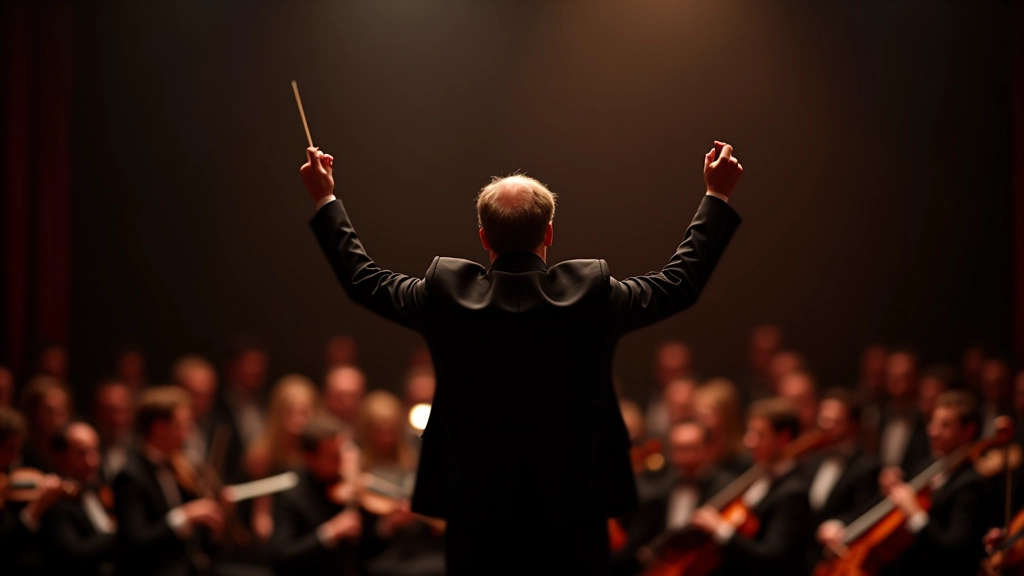
Masterworks Symphony Evening
An unforgettable night featuring classical masterpieces performed under the summer sky.
Everything you need to know before attending an open air performance. Seating tips, weather preparation, and what to bring.
Attending an open air concert isn't like sitting in an enclosed venue. You're dealing with weather, outdoor lighting, and a completely different atmosphere. We've put together this guide to help you prepare properly and actually enjoy the experience without stress. Here's what you need to know before you head out.
Outdoor performances happen regardless of conditions. Summer evenings can shift from warm to cool quickly — you'll notice temperature drops once the sun sets. Most people underestimate how much warmth they'll need.
Bring a light jacket or shawl. It sounds simple, but you'll thank yourself when it gets breezy around 10 PM. If rain's forecast, don't cancel your plans — just pack an umbrella or rain poncho. Theaters often have covered seating areas or you can sit further back under protection.

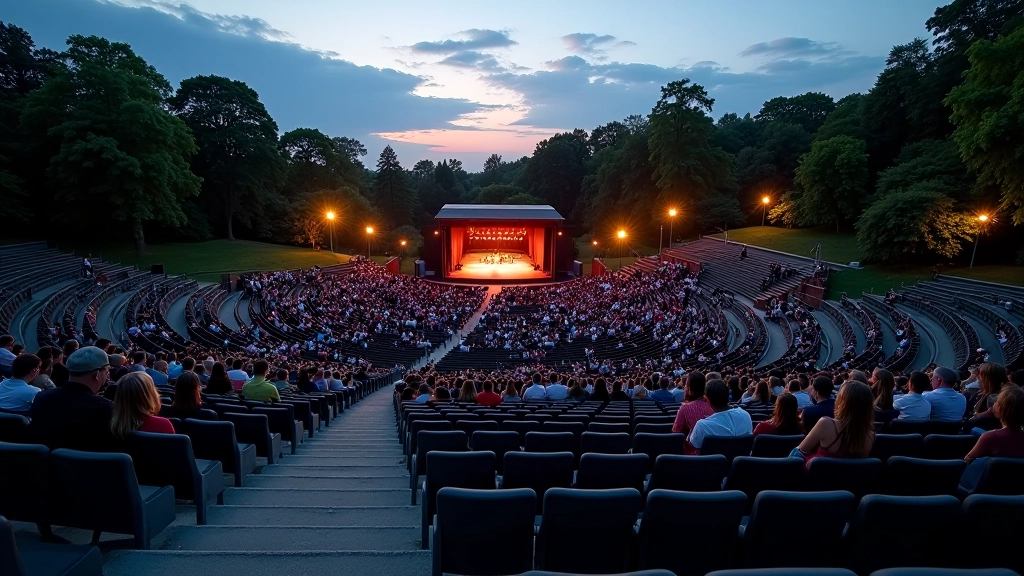
Where you sit matters more than you'd think. Outdoor venues don't have the same acoustics as concert halls. Sound travels differently, especially with wind. Seats closer to the stage don't always mean better sound — sometimes you're actually too close to hear properly.
Mid-range seating, about 15-25 meters from the stage, typically gives you the best audio balance. You'll still see performers clearly without neck strain. If the venue has tiered seating, slightly elevated sections usually have better sightlines. Avoid far back unless you've got binoculars.
Pro tip: Arrive 30 minutes early to find your seat and settle in. This isn't a rushed event. You'll want time to adjust before the performance starts.
Bring a water bottle. Most venues allow empty bottles that you can refill. You'll be sitting outside for 2-3 hours — staying hydrated keeps you comfortable and alert.
A small flashlight or headlamp helps you navigate before the show starts and during intermission. It's dark outdoors. Don't use your phone flashlight — it's bright and annoying to others.
If you're attending an afternoon performance or evening show during summer, sunscreen's important. You're exposed directly. Bring SPF 30 or higher and reapply after a couple hours.
Evening performances mean insects. Insect repellent keeps mosquitoes away. You don't want to spend the entire concert swatting. Apply before you arrive if possible.
Keep your phone for navigation and emergencies. Battery drains faster outdoors with poor signal. A portable charger is smart if you're there for several hours.
Have your ticket ready — digital or printed. Keep ID accessible if you're buying refreshments. Some venues require proof for certain seating areas.
Outdoor venues don't have controlled entry like indoor theaters. Gates open earlier than you'd expect — usually 90 minutes before curtain. You're not rushing. Arriving early gives you time to explore, grab refreshments, and settle into your seat without stress.
Plan for parking or transport at least 30 minutes before gates open. If you're using public transit, check schedules in advance. Evening performances mean fewer buses running afterward — you'll want to know your exit strategy.
Arrive early: Aim for 60-90 minutes before start time. Gates are usually open by then.
Find your seat: Locate your section and settle in. Check the program while you wait.
Get refreshments: Concessions lines can be long. Grab food or drinks 20 minutes before curtain.
Silence devices: Put your phone on silent — not vibrate. You're outdoors but still part of an audience.
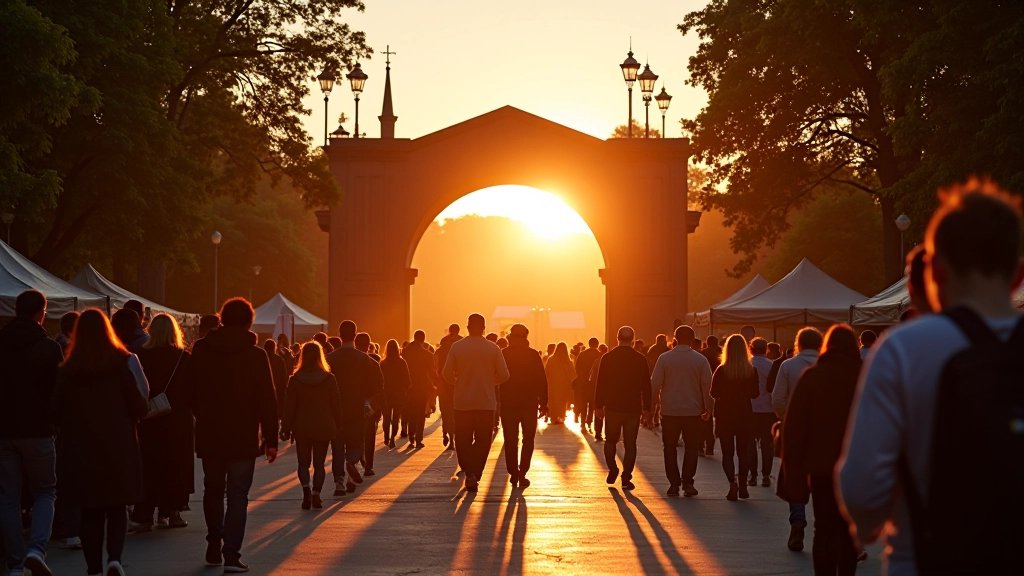
Once the performance starts, you're part of something special. Outdoor performances have a different energy than indoor venues. The sky's part of the show. Lighting changes throughout as it gets darker. It's worth noticing.
Remember: These venues depend on your respect for the experience. Don't use flash photography. Keep conversation to a minimum during performances. If you need to leave early, do it during intermission when there's movement anyway.
Most performances run 2-3 hours with an intermission. Use that break to stretch, use restrooms, and grab refreshments. By the second half, you'll have adjusted to the outdoor setting and you'll actually enjoy it more. The temperature's settled, you're comfortable, and you can focus on the performance.
The difference between a great concert experience and a frustrating one comes down to preparation. You're not dealing with anything complicated — just practical details. Bring layers, arrive early, bring water, and you'll be comfortable for hours.
Open air performances are worth the extra thought. The atmosphere is unique. There's something about live music under the sky that you don't get indoors. Once you've done it right, you'll want to do it again.
This guide provides general recommendations based on typical outdoor concert experiences. Specific venues may have different policies, restrictions, or requirements. Always check your venue's official website or contact them directly for their specific guidelines regarding seating, prohibited items, weather policies, and arrival procedures. Weather conditions are unpredictable — monitor forecasts before your visit and be prepared to adjust your plans accordingly.
Editorial Team
Written by the Mežaparks Editorial Team, focused on clear, accurate event information and practical visitor guidance.
An unforgettable night featuring classical masterpieces performed under the summer sky.
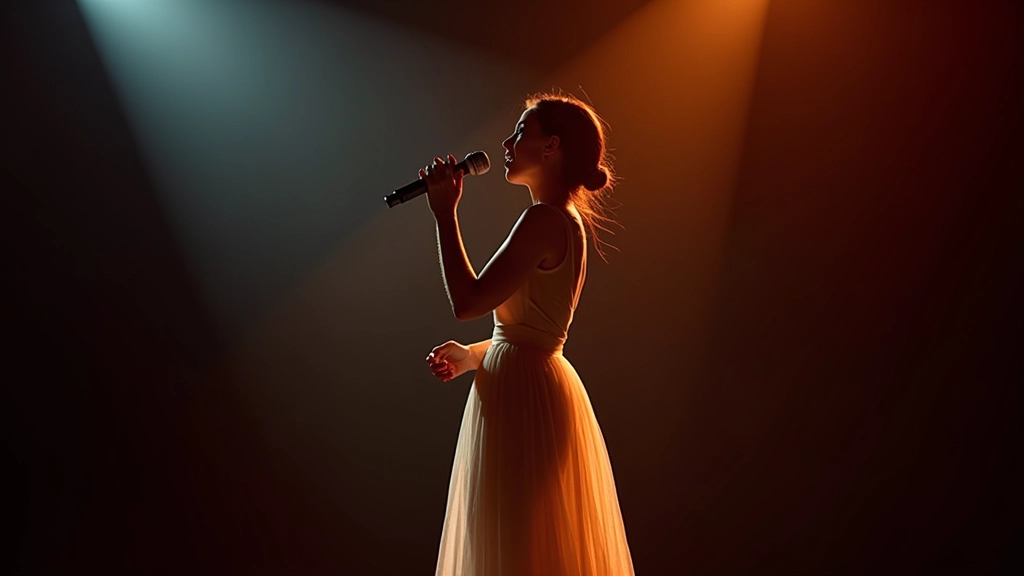
Verdi's most beloved opera comes alive outdoors. Don't miss this stunning production.
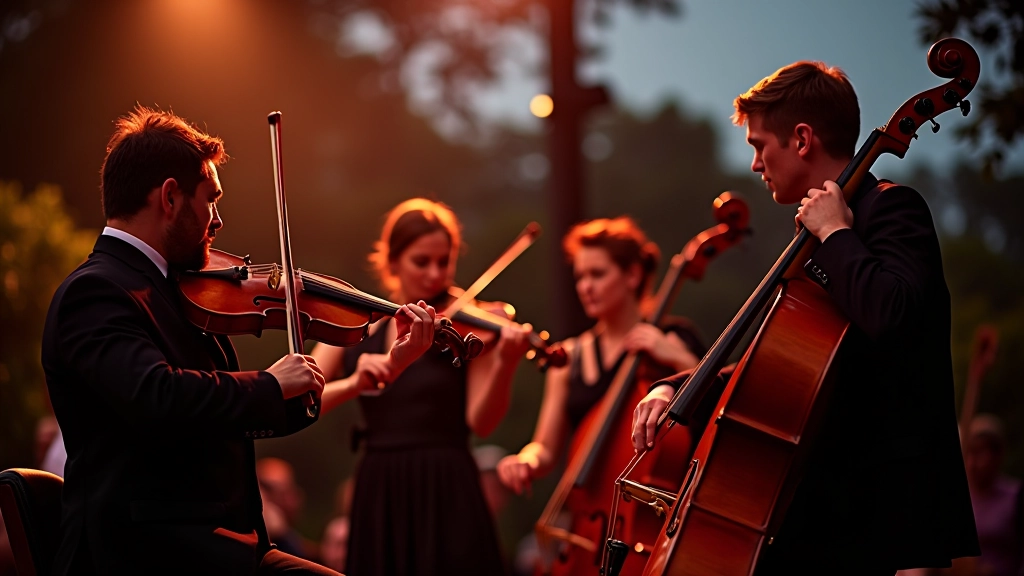
Smaller ensemble concerts create magical moments. Discover why chamber performances are special.